

Last Updated: January 2026 | Reading Time: 6 minutes | Author: First and Geek Editorial Team
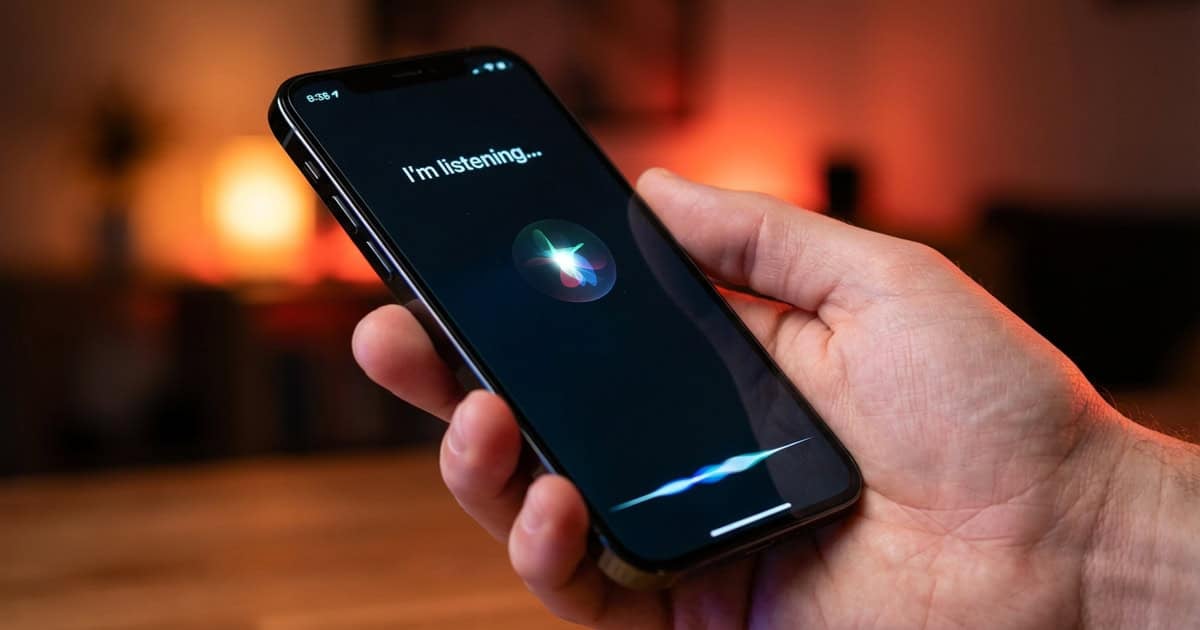
Apple is reportedly planning to transform Siri into a chatbot-style interface as part of iOS 27, marking a significant shift from the company’s previous stance on conversational AI. This change, combined with Google’s Gemini integration, could finally address some of Siri’s most frustrating limitations and bring Apple’s assistant into the modern AI era.
The Evolution of Siri: From Innovation to Embarrassment
When Apple introduced Siri in 2011 with the iPhone 4S, it felt like something out of science fiction. A voice assistant that could understand natural language and perform tasks on your behalf was genuinely groundbreaking for its time. Fast forward to 2026, and Siri has become one of Apple’s most criticized features, consistently lagging behind competitors like Google Assistant and Amazon’s Alexa in both capability and reliability.
The promise of a smarter Siri powered by Apple Intelligence didn’t materialize as hoped. However, recent developments suggest a more promising path forward through a two-stage strategy that leverages both external AI partnerships and a reimagined user interface.
Stage One: Gemini-Powered Intelligence
Apple confirmed in January 2026 that Google’s Gemini AI models will power new Siri features, a significant departure from relying solely on in-house technology. While OpenAI’s ChatGPT initially dominated the generative AI landscape, Google’s Gemini has reportedly reached parity and in some areas surpassed its competitors in capability and accuracy.
The integration of Gemini technology is expected to enable Siri to function as a true intelligent agent. This means the assistant could handle complex, multi-step tasks by drawing on personalized information from your Apple apps and services. For example, you might ask Siri to book a table at that Thai restaurant you visited months ago. The new Siri could potentially identify the restaurant by searching through text messages, Apple Maps history, or photos, then complete the reservation through a compatible app.
Google’s beta launch of its Gemini-powered Personal Intelligence feature provides a preview of what users might expect. The ability to synthesize information from multiple sources and execute tasks accordingly represents a fundamental improvement over current Siri capabilities.
Stage Two: The Chatbot Interface
Apple initially dismissed the chatbot interface model, likely because the company was focused primarily on agentic AI capabilities. The thinking was straightforward: users should be able to state what they want accomplished, and Siri should handle the details behind the scenes without extensive back-and-forth conversation.
While that vision remains valuable, it overlooks an area where current chatbot interfaces excel and where Siri embarrassingly fails: conversational context and follow-up questions.
Solving Siri’s Context Problem
One of Siri’s most frustrating limitations is its inability to maintain context across consecutive questions. Ask Siri who played Batman in the most recent film, and it might correctly answer Robert Pattinson. Follow up immediately with a question about Robin, and Siri often responds as if the previous conversation never happened.
Modern chatbots like ChatGPT and Gemini handle conversational flow significantly better. They can reference earlier parts of a conversation, understand vague follow-up questions, and even recall topics discussed in previous sessions. This creates a more natural, human-like interaction that reduces frustration and makes complex information gathering much more efficient.
A chatbot-style interface would allow users to refine queries, ask clarifying questions, and explore topics in depth without constantly re-establishing context. This conversational capability complements rather than replaces the agentic AI features, providing users with flexibility in how they interact with their devices.
Managing Expectations
As promising as these developments sound, it’s important to maintain realistic expectations. All AI chatbots currently available have well-documented limitations, including occasional incorrect answers, outdated information, and sometimes complete hallucinations where the AI confidently provides fabricated information.
Google’s Gemini integration and a chatbot interface won’t magically make Siri perfect. Users should expect glitches, misunderstandings, and the occasional bizarre response, particularly in the early stages of rollout. Apple will likely take an iterative approach, gradually expanding capabilities as the technology matures and reliability improves.
The Right Balance Between Approaches
The combination of agentic AI and chatbot functionality represents a thoughtful approach to voice assistant design. Agentic AI handles straightforward tasks where you know what you want accomplished. The chatbot interface supports exploration, learning, and complex information gathering where the path forward isn’t immediately clear.
Consider planning a vacation. You might use agentic features to book specific flights and hotels once you’ve made decisions. But you might use the chatbot interface to explore destination options, compare activities, understand seasonal considerations, and refine your preferences through a natural conversation.
This dual approach acknowledges that different tasks require different interaction models. Sometimes you want your assistant to just get something done. Other times you want to think through options collaboratively.
Privacy Considerations
One question that remains is how Apple will balance its privacy commitments with cloud-based AI processing. Reports suggest that the new Siri chatbot may run on Google servers rather than Apple’s infrastructure, which could raise concerns among privacy-conscious users who have come to expect that their data stays within Apple’s ecosystem.
Apple will likely need to provide clear communication about what data is processed where, what privacy protections are in place, and whether users can opt for on-device processing even if it means reduced capabilities. Transparency in this area will be crucial for maintaining user trust.
Timeline and Availability
The chatbot interface is reportedly planned for iOS 27, which based on Apple’s typical release schedule would likely arrive in fall 2027. This timeline gives Apple substantial time to refine the implementation and address potential issues before public release.
Whether these features will be available across all devices or limited to newer models with sufficient processing power remains to be seen. Apple has historically balanced new AI features with hardware requirements, so users with older devices may find some capabilities restricted.
FAQ
Q: Will the new Siri chatbot work offline?
A: This hasn’t been confirmed, but reports suggest the chatbot features may run on cloud servers, which would require an internet connection. Some basic Siri functions will likely continue to work offline, but the advanced conversational AI capabilities would need connectivity.
Q: When will these Siri improvements be available?
A: The chatbot interface is reportedly planned for iOS 27, which would typically release in fall 2027. The Gemini-powered features may arrive sooner as part of earlier iOS updates, though specific timing hasn’t been officially announced.
Q: Will this work with all Apple devices or just iPhones?
A: Apple hasn’t specified device compatibility yet. Typically, major Siri improvements roll out across iPhone, iPad, Mac, Apple Watch, and HomePod, though specific features may vary by device capability and the nature of the hardware.
Q: How will Apple address privacy with Google’s Gemini integration?
A: Apple hasn’t detailed the privacy architecture for Gemini integration. The company will likely need to provide transparency about data handling, storage, and processing to maintain its privacy-focused reputation. Users should expect some communication on this topic before widespread release.
First and Geek Verdict
Apple’s reported shift toward a chatbot interface for Siri, while seemingly contradictory to earlier statements, makes practical sense. The current implementation’s inability to maintain conversational context creates real friction for users trying to accomplish anything beyond single, isolated commands. Combining Google’s Gemini AI models with a conversational interface addresses Siri’s most glaring weaknesses while building on the agentic AI vision Apple has been pursuing.
This isn’t about following trends or admitting defeat. It’s about recognizing that different interaction models serve different purposes, and users benefit from having both options available. The key will be execution. Apple needs to deliver a chatbot experience that feels genuinely helpful rather than frustrating, maintains reasonable accuracy, and respects user privacy even while leveraging external AI services.
If Apple can nail the implementation, the combination of intelligent task automation and natural conversational interaction could finally make Siri the capable assistant it was always meant to be. The timeline suggests we’ll be waiting a while longer, but after years of disappointment with Siri, a thoughtful approach focused on getting it right seems far preferable to rushing out half-baked features.