

Last Updated: February 2026 | Reading Time: 4 minutes | Author: First and Geek Editorial Team
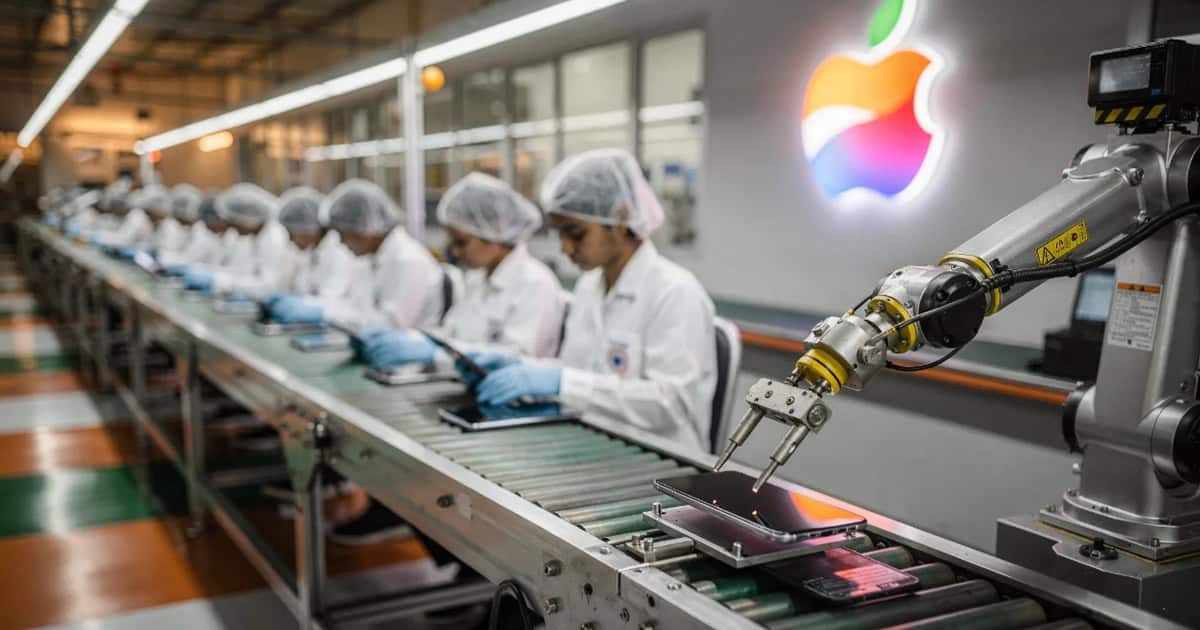
Apple has cleared a significant hurdle in its effort to expand iPhone manufacturing in India. The Indian government recently approved changes to its income tax rules that allow foreign companies to finance manufacturing equipment for local contract manufacturers without triggering additional tax liabilities, a move that directly benefits Apple’s production strategy in the country.
Understanding the Tax Rule Change
According to recent reports, the Indian government approved modifications to its income tax regulations on Sunday that address a longstanding concern for Apple. Previously, if Apple directly funded high-end manufacturing equipment for its contract manufacturers in India, the company risked being taxed on its local iPhone sales profits under what Indian tax law considers a “business connection.”
This created an unusual situation compared to Apple’s manufacturing arrangements in China. In India, the concern was substantial enough that contract manufacturers like Foxconn and Tata were reportedly required to spend billions of dollars purchasing their own machinery rather than having Apple provide it directly.
The new rule change allows foreign companies to provide manufacturing equipment to local contract manufacturers in certain export-focused zones for up to five years without incurring additional tax risk. Revenue Secretary Arvind Shrivastava confirmed the policy shift, stating that companies bringing in machinery for use by local manufacturers will be exempt from these taxes for a five-year period.
What This Means for Apple’s India Strategy
This development represents a meaningful win for Apple as the company continues to diversify its manufacturing operations beyond China. By being able to directly finance sophisticated iPhone manufacturing equipment, Apple can potentially accelerate production scaling, maintain tighter quality control, and reduce the financial burden on its contract manufacturing partners.
Apple has been steadily increasing its manufacturing presence in India over recent years. The country has become an increasingly important production hub for iPhones, particularly as global supply chain strategies evolve and companies seek to reduce concentration risk in any single region.
The Broader Regulatory Context
This positive development comes against a backdrop of regulatory challenges Apple faces in India. The company is reportedly navigating multiple areas of government scrutiny, including an ongoing antitrust investigation and proposals related to data privacy that would require significant platform changes.
These simultaneous developments illustrate the complex relationship between Apple and the Indian government. While India wants to attract major manufacturing investments and position itself as a global production alternative, it’s also asserting regulatory authority over how technology companies operate within its borders.
Why India Matters for Apple
India represents both a manufacturing opportunity and a growing consumer market for Apple. The country offers several advantages as a manufacturing location:
- A large and skilled workforce capable of handling complex electronics assembly
- Government incentives for electronics manufacturing through programs like Production Linked Incentive schemes
- Geographic and political diversification away from heavy reliance on Chinese manufacturing
- Access to a domestic market with growing purchasing power and smartphone adoption
However, successfully expanding in India requires navigating local regulations, tax structures, and business practices that can differ significantly from other markets where Apple operates. This tax rule change suggests that when specific barriers are identified, there’s potential for policy adjustments that benefit both Apple’s business interests and India’s manufacturing ambitions.
The Impact on Contract Manufacturers
The policy change should also benefit Apple’s contract manufacturing partners. Companies like Foxconn and Tata Electronics have been making substantial capital investments in Indian manufacturing facilities. If Apple can now directly provide or finance specialized equipment, it reduces the upfront capital requirements for these partners and potentially allows for faster deployment of new production capabilities.
This could make India more competitive as a manufacturing location compared to other countries where Apple maintains production operations, including Vietnam and other Southeast Asian nations that are also positioning themselves as alternatives to Chinese manufacturing.
FAQ
Q: Does this mean all iPhones will now be made in India?
A: No. Apple maintains a global manufacturing network, with the majority of iPhone production still occurring in China. India is part of Apple’s diversification strategy, but it represents one manufacturing location among several rather than a complete replacement for existing operations.
Q: Will this tax change affect iPhone prices in India?
A: Not directly. This change affects Apple’s manufacturing cost structure and tax liability, but iPhone pricing in India is influenced by multiple factors including import duties, local taxes, currency exchange rates, and market positioning. Any potential price impacts would likely be indirect and gradual.
Q: How long has Apple been manufacturing iPhones in India?
A: Apple began iPhone assembly in India in 2017, starting with older models. Production has gradually expanded to include newer models, with India now producing various iPhone generations including recent flagship models. The scale and sophistication of Indian iPhone manufacturing has increased significantly over the past several years.
First and Geek Verdict
This tax rule change represents a pragmatic win for Apple as it continues building out manufacturing capacity in India. While it’s a technical policy adjustment rather than a dramatic shift, it removes a significant financial friction point that was reportedly complicating Apple’s ability to efficiently scale production. The fact that India made this accommodation suggests both sides see value in deepening their manufacturing relationship, even as other regulatory tensions persist. For those following Apple’s supply chain strategy, this is another data point confirming that India is becoming a more central part of how iPhones get made, though the transition away from China-heavy manufacturing will remain gradual rather than sudden. It’s a reminder that global manufacturing involves navigating not just logistics and quality control, but also complex tax and regulatory frameworks that vary significantly by country.