
Last Updated: June 2026 | Reading Time: 4 minutes | Author: First and Geek Editorial Team
As we approach Apple’s annual software unveiling season, new reports suggest that iOS 27 won’t bring major changes to the controversial Liquid Glass interface design. The update is expected to continue the trend of incremental improvements and stability enhancements rather than sweeping visual overhauls.
Key Takeaways
- iOS 27 reportedly won’t include significant changes to the Liquid Glass design language
- Apple may add a systemwide slider to control transparency levels, similar to the lock screen clock adjustment
- The update is expected to focus on performance improvements and stability rather than design overhauls
- Current customization options include ‘Tinted’ mode and the ability to disable certain Liquid Glass effects
The Current State of Liquid Glass
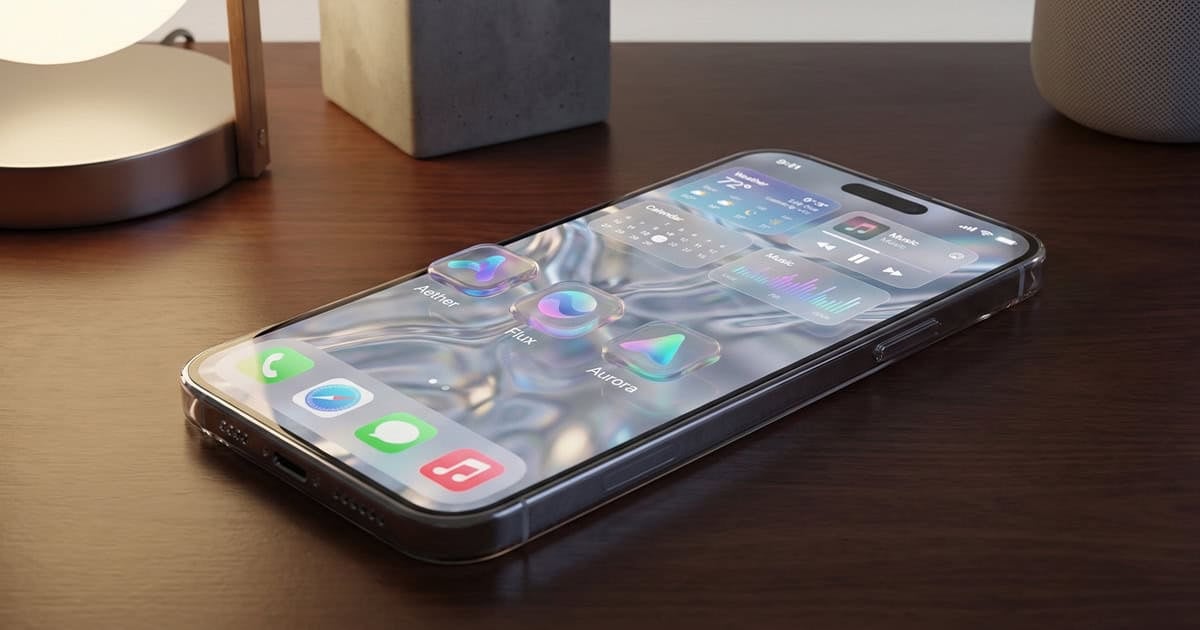
Since its introduction, Liquid Glass has divided Apple users. The translucent design language brings a distinctive visual style to iOS and macOS, but concerns about readability and visual clarity have been consistent topics of discussion in the Apple community. Apple has responded with modest adjustments in recent updates, including the ‘Tinted’ option introduced in iOS 26.1 and the ability to disable Liquid Glass highlights added in iOS 26.4.
The departure of design lead Alan Dye late last year raised questions about whether Apple would shift direction under new design leadership. Steve Lemay took over the role, but according to recent reports, internal versions of iOS 27 and macOS 27 don’t show major design changes. This suggests Apple remains committed to the Liquid Glass approach for the foreseeable future.
Possible New Customization Options
While major visual changes appear unlikely, iOS 27 may introduce an expanded customization feature. During iOS 26 development, Apple reportedly worked on a systemwide slider that would give users fine-tuned control over the intensity of the glass effect throughout the operating system. This feature was successfully implemented for the lock screen clock but faced engineering challenges when extending it to other areas like app folders, the home screen, and navigation bars.
If Apple manages to resolve these technical hurdles for iOS 27, users could gain much more granular control over how pronounced the Liquid Glass effect appears across their devices. This would go beyond the current binary choices of ‘Clear’ and ‘Tinted’ modes, offering a sliding scale of transparency and visual effects.
What This Means for Users
For those hoping for a complete redesign, iOS 27 will likely bring disappointment. The reality is that major design languages at Apple typically evolve over years rather than being replaced overnight. The company invested considerable time and resources into developing Liquid Glass, and rapid changes would go against Apple’s usual approach to interface design.
That said, the potential addition of a systemwide transparency slider would represent meaningful progress for users who want more control over their visual experience. This type of customization option aligns with Apple’s recent trend of offering more personalization choices without abandoning its core design philosophy.
Expected Timeline and Focus
Apple is expected to unveil iOS 27, macOS 27, watchOS 27, and other operating system updates in the coming months, likely at its annual developers conference. Based on previous reports, these updates are anticipated to emphasize performance improvements and overall system stability rather than flashy new features or dramatic visual changes.
This approach makes sense from both technical and practical perspectives. After introducing significant changes with Liquid Glass, focusing on refinement and optimization helps ensure the platform remains stable and responsive for hundreds of millions of users worldwide.
First and Geek Verdict
While some users were hoping for significant changes to Liquid Glass in iOS 27, the reality appears to be more gradual evolution than revolution. This shouldn’t come as a surprise given Apple’s historical approach to design changes. The company typically commits to a design direction for multiple years, making iterative improvements rather than frequent overhauls. If the rumored systemwide transparency slider materializes, it could address many user concerns about readability and visual preference without requiring Apple to abandon its current design language. For now, users should expect iOS 27 to look and feel largely familiar, with the focus on making the experience smoother and more stable rather than dramatically different.