
Last Updated: April 2026 | Reading Time: 3 minutes | Author: First and Geek Editorial Team
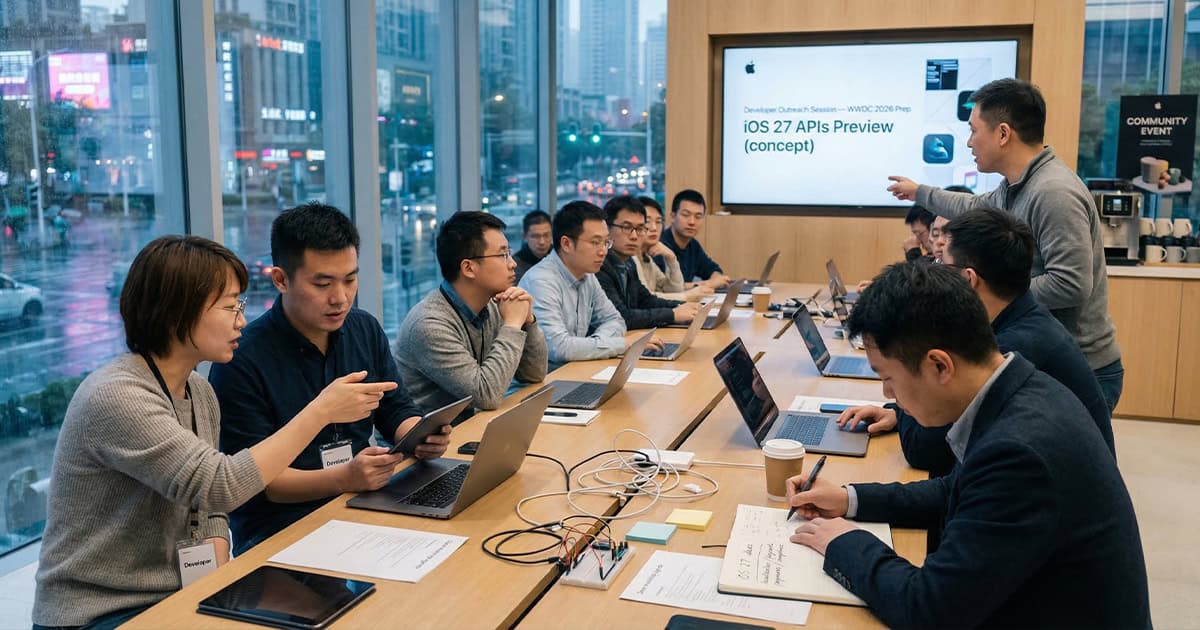
Apple is quietly but deliberately expanding its presence on Chinese social media platforms as it prepares for WWDC 2026 and the introduction of iOS 27. The company recently launched an official Apple Developer account on bilibili, a popular Chinese video sharing platform, signaling a strategic effort to reach more developers in one of its most important markets.
Key Takeaways
- Apple Developer joined bilibili, a Chinese video platform, with 32 developer-focused videos already published
- The account gained over 17,600 followers and 6,000 likes within its first 13 hours
- WWDC 2026 dates are expected to be announced next week, likely in late March
- This expansion follows Apple’s pattern of growing its presence on Chinese social platforms ahead of major product launches
Apple Developer Arrives on Bilibili
This week marked Apple’s official debut on bilibili, where the company quickly uploaded 32 videos aimed at app developers. The content focuses primarily on WWDC 2025 and iOS 26 technologies, giving Chinese developers access to the same educational materials available on other platforms. The rapid engagement, with thousands of followers and likes in just hours, demonstrates both the appetite for Apple development resources in China and the platform’s reach among technical audiences.
Bilibili serves a role similar to YouTube in Western markets but caters specifically to Chinese users. Apple’s decision to maintain a presence there makes practical sense given China’s unique internet ecosystem, where Western platforms like YouTube are not accessible. By meeting developers where they already spend time, Apple removes barriers to engagement with its development tools and documentation.
A Pattern of Strategic Expansion
This move follows a familiar playbook. Apple joined YouTube with a verified Apple Developer account in 2024, and both platforms now share much of the same content, tailored to their respective audiences. Last fall, ahead of the iPhone 17 launch, Apple also joined RedNote, another Chinese social media platform. More recently, the company launched a “Hello Apple” Instagram account to celebrate its 50th anniversary.
These expansions aren’t just about brand presence. They reflect Apple’s understanding that developer ecosystems thrive when resources are accessible in familiar environments. Chinese developers, who represent a substantial portion of the App Store ecosystem, benefit from receiving updates and tutorials on platforms they use daily rather than having to navigate foreign services or rely on third-party translations.
What to Expect from WWDC 2026
Apple is expected to confirm WWDC 2026 dates as early as next week. Based on last year’s timeline, when the company announced WWDC 2025 on March 25, a similar announcement appears likely in the coming days. The conference will reportedly take place in June and is expected to unveil iOS 27 along with updates to other operating systems across Apple’s product lineup.
While details about iOS 27 remain unclear, the timing of Apple’s expanded developer outreach suggests the company is preparing for significant announcements. Developer conferences like WWDC depend on broad participation and early adoption of new tools and frameworks. By establishing stronger channels to Chinese developers now, Apple positions itself to deliver those announcements to a wider, more engaged audience.
Why China Matters for Apple’s Developer Ecosystem
China represents one of Apple’s largest markets, and Chinese developers contribute significantly to the App Store. Strengthening communication with this community isn’t just good public relations; it’s essential to maintaining the health of Apple’s platform. When developers in any major region feel disconnected from updates or lack access to resources, app quality and innovation can suffer.
Apple’s approach here is pragmatic. Rather than expecting developers to adapt to Western platforms, the company adapts its distribution strategy to fit local norms. This kind of localization has long been part of Apple’s retail and marketing playbook, and extending it to developer relations makes sense as software becomes increasingly central to the company’s business model.
First and Geek Verdict
Apple’s expansion onto bilibili and other Chinese platforms is a smart, if unsurprising, move. It reflects the reality that developer engagement requires meeting people where they are, not where you’d prefer them to be. As WWDC 2026 approaches and iOS 27 takes shape, having direct channels to Chinese developers will likely pay dividends in terms of early adoption, feedback quality, and ecosystem strength. For those of us watching Apple’s broader strategy, it’s another reminder that the company’s success increasingly depends not just on hardware or even software, but on the relationships it builds with the people who create experiences for its platforms. Expect more announcements soon as WWDC draws closer.