

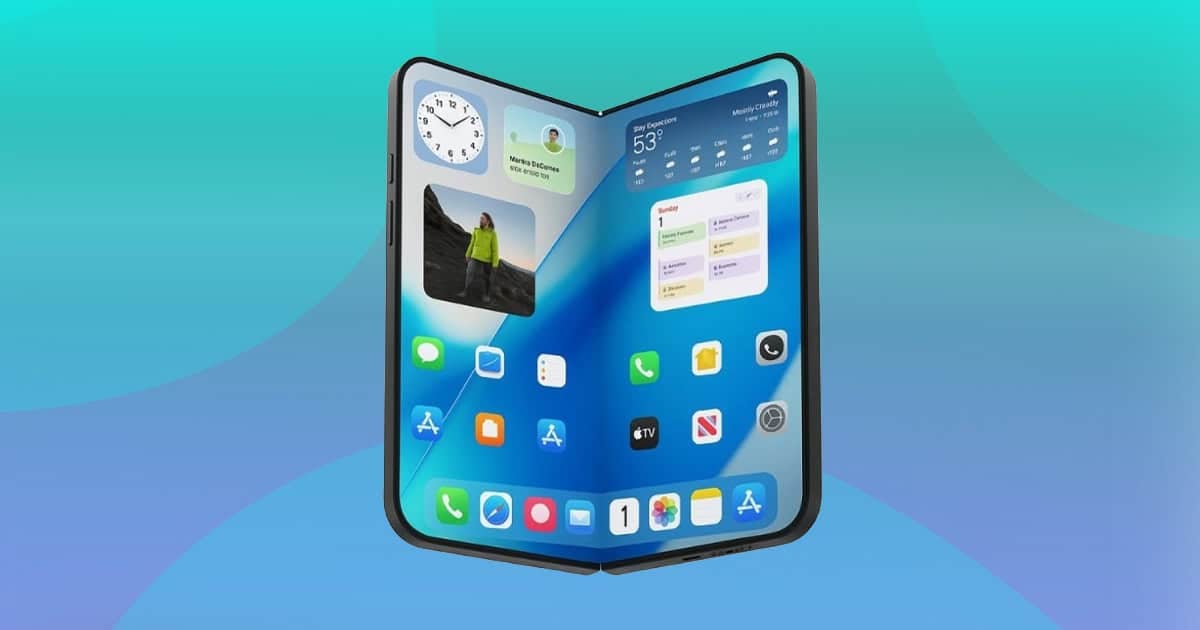
Apple’s rumored foldable iPhone continues to take shape in analyst reports, with new technical specifications pointing to a device that could arrive alongside the iPhone 18 Pro lineup in fall 2026. The device is expected to break from Apple’s recent authentication trends by using Touch ID instead of Face ID, while offering both internal and external displays.
Expected Hardware Specifications for iPhone Fold
According to analyst Jeff Pu in a recent investor note, the iPhone Fold is reportedly expected to feature a 7.8-inch internal display paired with a secondary external screen measuring under 5.3 inches. The device would run on Apple’s A20 Pro processor, built using a next-generation N2 manufacturing process and incorporating WMCM packaging technology.
The foldable iPhone is expected to include 12GB of LPDDR5 memory, matching the RAM configuration anticipated for the iPhone 18 Pro and Pro Max models. This represents a notable increase from current iPhone memory levels and appears designed to support more demanding on-device artificial intelligence workloads.
For photography, the device would likely feature dual 48-megapixel rear cameras using 7-element and 6-element lens configurations. Front-facing cameras are expected to include 18-megapixel sensors on both the folded exterior and unfolded interior, providing flexibility for video calls and selfies in either configuration.
Touch ID Returns in Place of Face ID
One of the more surprising details in the report is the expected absence of Face ID on the foldable model. Instead, Apple is reportedly planning to rely on Touch ID for biometric authentication. This would mark a return to fingerprint-based security for a flagship iPhone, though the specific implementation method has not been detailed in available reports.
The shift away from Face ID may be driven by design constraints related to the foldable form factor, particularly the challenge of integrating the TrueDepth camera system and its associated sensors into a device with multiple displays and a hinge mechanism. Touch ID could offer a more practical authentication solution for a device that users might hold and unlock in various orientations.
Construction Combines Titanium and Aluminum
The iPhone Fold is expected to use a hybrid construction approach, combining both titanium and aluminum materials. This differs from the iPhone 18 Pro models, which are anticipated to use aluminum casings exclusively according to the same analyst report.
The combination of materials likely reflects the unique structural requirements of a foldable device, where weight distribution, durability around the hinge mechanism, and overall rigidity become more complex engineering challenges than with traditional smartphone designs.
iPhone 18 Lineup and Market Positioning
Apple is reportedly planning an unusual release strategy for 2026. The fall launch would include only three models: the iPhone 18 Pro, iPhone 18 Pro Max, and the iPhone Fold. The standard iPhone 18, along with an iPhone 18e and a second-generation iPhone Air, would reportedly arrive the following spring.
This staggered approach represents a departure from Apple’s typical annual refresh cycle and may reflect production complexities or strategic positioning decisions. The analyst projects iPhone shipments of 250 million units in 2026, representing a 2% year-over-year increase even as the broader smartphone market is expected to contract by approximately 4%.
Specifications Across the iPhone 18 Pro Lineup
| Feature | iPhone 18 Pro | iPhone 18 Pro Max | iPhone Fold |
|---|---|---|---|
| Display | 6.3 inches | 6.9 inches | 7.8 inches internal, under 5.3 inches external |
| Processor | A20 Pro (N2, WMCM) | A20 Pro (N2, WMCM) | A20 Pro (N2, WMCM) |
| Memory | 12GB LPDDR5 | 12GB LPDDR5 | 12GB LPDDR5 |
| Front Camera | 18MP, 6-element | 18MP, 6-element | 18MP (folded and unfolded) |
| Rear Cameras | 48MP wide, periscope 48MP, 48MP ultra-wide | 48MP wide, periscope 48MP, 48MP ultra-wide | 48MP, 48MP |
| Authentication | Face ID (smaller Dynamic Island) | Face ID (smaller Dynamic Island) | Touch ID |
| Casing | Aluminum | Aluminum | Titanium and Aluminum |
AI Capabilities and Memory Upgrades
The move to 12GB of memory across the entire iPhone 18 Pro lineup appears closely tied to Apple’s artificial intelligence roadmap. The combination of next-generation silicon, advanced packaging technology, and increased RAM is expected to enable more sophisticated on-device AI processing.
These hardware improvements are reportedly intended to support an enhanced version of Siri with expanded capabilities, which Apple is expected to introduce during 2026. The increased processing power and memory would allow more AI tasks to run locally on the device rather than requiring cloud connectivity.
FAQ
Q: When is the iPhone Fold expected to be released?
A: According to analyst reports, the iPhone Fold is expected to launch in fall 2026 alongside the iPhone 18 Pro and iPhone 18 Pro Max models. However, Apple has not confirmed any foldable iPhone plans, and these timelines should be considered speculative.
Q: Will the iPhone Fold support the same accessories as other iPhones?
A: Specific accessory compatibility has not been detailed in available reports. Given the unique form factor with both internal and external displays, the iPhone Fold would likely require purpose-built cases and accessories rather than using standard iPhone accessories.
Q: Why would Apple use Touch ID instead of Face ID on a premium device?
A: The reported shift to Touch ID likely reflects design constraints specific to foldable devices. Integrating Face ID’s TrueDepth camera system into a device with multiple displays and a folding mechanism presents unique engineering challenges. Touch ID may offer more reliable authentication across different folding positions and use cases.
First and Geek Verdict
The reported specifications for Apple’s foldable iPhone paint a picture of a thoughtfully engineered device that prioritizes practical functionality over simply matching competitor feature lists. The decision to use Touch ID rather than Face ID on a premium foldable device is particularly interesting and suggests Apple is willing to make unconventional choices when the physical form factor demands it.
The combination of a large 7.8-inch internal display with a usable external screen addresses one of the key challenges facing current foldable phones: providing a good experience without constantly needing to unfold the device. The inclusion of 12GB of memory and next-generation silicon indicates Apple is planning for demanding AI workloads that would justify the foldable form factor beyond simple novelty.
That said, all of these details remain unconfirmed and should be viewed as informed projections rather than established facts. Apple’s history suggests the company enters new product categories deliberately and only when it believes it can offer meaningful improvements over existing solutions. Whether a foldable iPhone materializes in 2026 or takes longer to reach market, these reported specifications offer a plausible glimpse at how Apple might approach the technical challenges inherent in foldable smartphone design.