

Last Updated: January 2026 | Reading Time: 4 minutes | Author: First and Geek Editorial Team
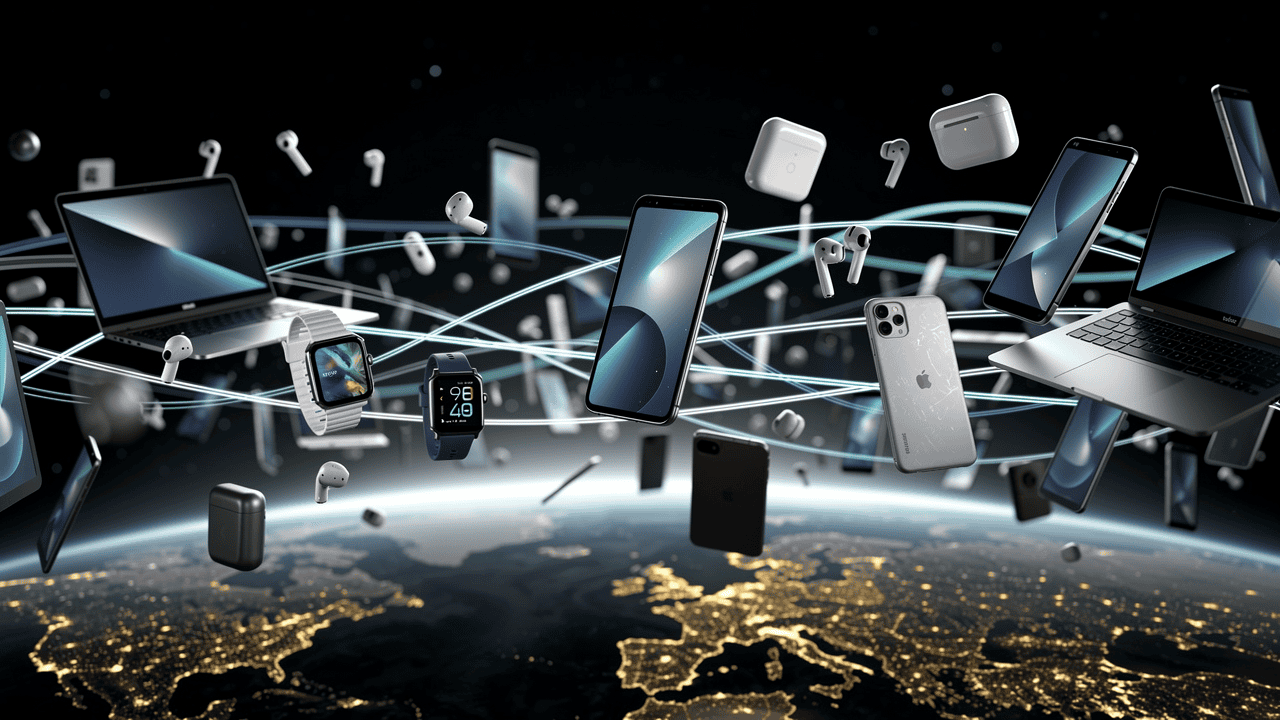
Apple has reached a significant milestone, announcing that it now has 2.5 billion active devices in use worldwide. The news came alongside the company’s record-breaking quarterly earnings report, which exceeded Wall Street expectations thanks to what CEO Tim Cook described as “staggering” iPhone demand. This figure represents continued growth in Apple’s install base and underscores the company’s ecosystem strategy.
Understanding Apple’s 2.5 Billion Device Milestone
The 2.5 billion figure encompasses all Apple devices currently in active use, including iPhones, Macs, iPads, Apple Watches, and other hardware products. This represents an increase from the 2.35 billion devices reported in January 2025, which itself was up from 2.2 billion the year before.
What’s particularly interesting about these numbers is the consistency of growth. Apple added approximately 150 million new devices to its active install base between 2024 and 2025, and the company is reporting the exact same increase from 2025 to 2026. This steady growth pattern suggests Apple has found a sustainable rhythm in expanding its user base even as smartphone markets mature globally.
Why This Number Matters Beyond Hardware Sales
The active device count isn’t just a vanity metric. It represents the foundation of Apple’s services business, which has become increasingly important to the company’s overall revenue strategy. Each active device represents a potential customer for Apple Music, iCloud storage, Apple TV+, Apple Arcade, and the App Store.
Industry analysts closely watch this number because it indicates the addressable market for Apple’s software and services offerings. The larger the install base, the more opportunities Apple has to generate recurring revenue through subscriptions and digital purchases. It’s also a key indicator of platform health, as developers are more likely to prioritize creating apps and services for platforms with large, engaged user bases.
The Ecosystem Strategy at Work
While the iPhone remains Apple’s flagship product and primary revenue driver, the company’s long-term strategy focuses on building an interconnected ecosystem. The goal is straightforward: get iPhone users to purchase additional Apple products that work seamlessly together.
This approach creates several advantages for Apple. First, it increases customer lifetime value by selling multiple devices to each user. Second, it strengthens customer retention, as switching platforms becomes more complex when you own multiple interconnected devices. Third, it provides multiple touchpoints for delivering services and generating ongoing revenue.
The strategy appears to be working. According to Cook’s comments during the earnings call, iPhone demand this quarter was exceptional, but the growth in total device count shows that customers aren’t just buying iPhones in isolation. They’re adding Macs, Apple Watches, iPads, AirPods, and other devices to their personal ecosystems.
Looking Ahead: What’s Next for Apple’s Device Portfolio
Apple reportedly has an ambitious product roadmap in the works, with more than 20 new products expected to launch in the coming months and year ahead. While specific details remain unconfirmed, this level of product activity could provide additional momentum for growing the active device base even further.
The company’s challenge will be maintaining this growth trajectory as markets mature and replacement cycles potentially lengthen. However, Apple’s track record of creating new product categories and expanding into emerging markets suggests the company has strategies in place to address these challenges.
What This Means for Consumers
For everyday users, a large active install base has practical benefits. It means more third-party accessories will be available for your devices, more apps will be developed for Apple’s platforms, and more cases, services, and support options will exist. It also suggests that Apple will continue investing heavily in software updates and features for existing devices, as the company has a vested interest in keeping that massive user base engaged and satisfied.
The flip side is that Apple’s dominance in certain markets can lead to premium pricing. When you’re part of an ecosystem with billions of devices, the company has less pressure to compete aggressively on price. That said, competition from Android devices, Windows PCs, and other platforms keeps Apple from becoming complacent, particularly in price-sensitive markets.
FAQ
Q: How does Apple define an “active device”?
A: While Apple doesn’t publicly detail its exact methodology, active devices typically refer to hardware that has engaged with Apple services within a specific timeframe, usually 90 days. This would include devices regularly connecting to iCloud, making App Store purchases, or using other Apple services.
Q: Does the 2.5 billion figure include devices that have been sold but aren’t being used anymore?
A: No, this number specifically tracks active devices, meaning devices that are currently in use. Devices that have been retired, recycled, or simply stopped being used wouldn’t be counted in this metric.
Q: Which Apple device category contributes most to this install base?
A: While Apple doesn’t break down the 2.5 billion by device category, the iPhone is almost certainly the largest contributor given its status as Apple’s best-selling product. However, the total includes Macs, iPads, Apple Watches, Apple TVs, and other hardware products the company manufactures.
First and Geek Verdict
Apple’s achievement of 2.5 billion active devices represents more than just impressive scale. It reflects a carefully executed ecosystem strategy that keeps customers engaged across multiple products and services. For consumers, this massive install base means robust platform support, extensive accessory options, and continued software investment. The steady growth rate of 150 million devices annually suggests Apple has found a sustainable expansion model even in maturing markets. As the company prepares to launch an ambitious slate of new products in the months ahead, this milestone provides a strong foundation for future growth. Whether you’re deep into the Apple ecosystem or just considering your first device, it’s clear that the platform’s momentum shows no signs of slowing down.