
Last Updated: February 2026 | Reading Time: 4 minutes | Author: First and Geek Editorial Team
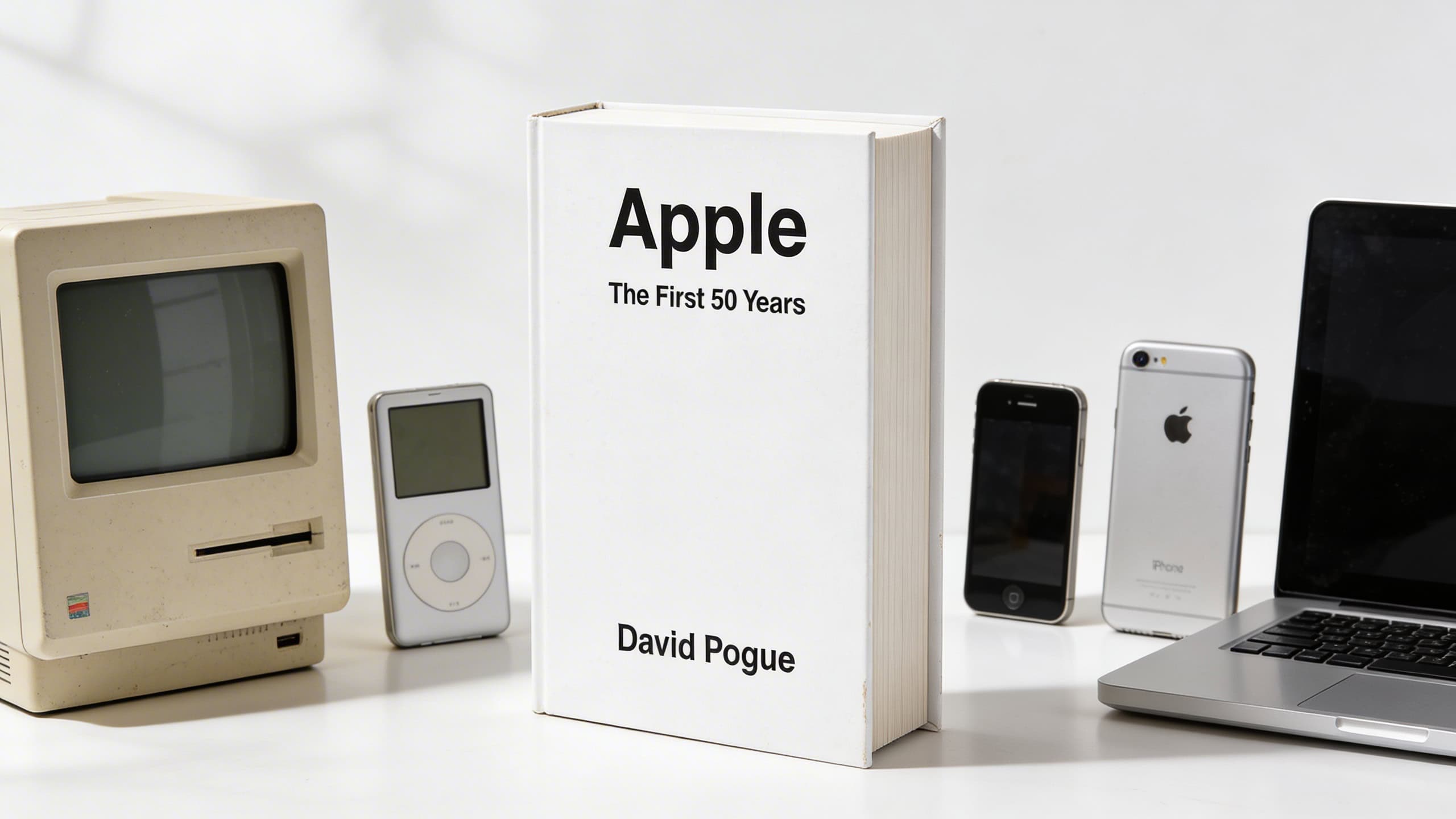
Veteran technology journalist David Pogue has shared a preview of his upcoming book celebrating Apple’s half-century journey from garage startup to tech giant. The 600-page volume, titled “Apple: The First 50 Years,” promises to blend fresh insights with familiar milestones from one of the world’s most influential companies.
What to Expect from the Book
Pogue’s book represents two years of research and includes interviews with 150 individuals connected to Apple’s history. The list reportedly includes company co-founder Steve Wozniak, former CEO John Sculley, design legend Jony Ive, and current Apple engineers, designers, and executives. This mix of voices from different eras should provide both historical perspective and contemporary insight.
According to the publisher’s description, the book aims to dispel long-standing myths about the company while examining both its celebrated successes and instructive failures. From the phenomenal sales numbers of the iPod, iPad, and iPhone to lesser-known stumbles like the Apple III, Lisa computer, and MobileMe service, the book appears designed to offer a balanced look at Apple’s evolution.
Release Details and Early Reception
The book is scheduled for release on March 10, 2026, and is already showing strong interest from readers. It currently holds the top position in Amazon’s History of Technology category, suggesting significant anticipation among tech enthusiasts and Apple fans.
Following the launch, Pogue plans to embark on a press tour with stops currently scheduled across 10 cities, with additional dates expected to be announced. This promotional effort reflects the publisher’s confidence in the book’s appeal beyond just the Apple faithful.
Timing with Apple’s 50th Anniversary
The book’s release aligns with Apple’s official 50th anniversary, marking five decades since the company’s founding on April 1, 1976. While Apple CEO Tim Cook has promised that the company will mark the occasion, specific details about Apple’s own celebration remain limited.
The Computer History Museum is also planning special programming to observe the milestone, making 2026 a year of reflection on Apple’s journey from a small operation founded by Steve Jobs, Steve Wozniak, and Ronald Wayne to a company valued in the trillions.
Why This Book Matters
Apple’s story has been told many times, but Pogue brings credentials that lend weight to this particular telling. As a longtime technology columnist and author of numerous tech guides, he has the experience to contextualize Apple’s decisions within broader industry trends. The access to current Apple personnel is particularly noteworthy, as the company is typically guarded about granting such interviews for historical projects.
The book’s promised examination of Apple’s failures alongside its successes could prove especially valuable. Understanding why products like MobileMe struggled or why the Lisa computer failed to gain traction offers lessons that extend beyond Apple itself to anyone interested in technology development and business strategy.
At 600 pages with color illustrations, the book appears designed as both a reference work and an accessible narrative for general readers interested in how a company founded in a California garage became one of the most valuable corporations in history.
First and Geek Verdict
For anyone interested in Apple’s history or the broader story of personal computing, Pogue’s book looks to be a worthwhile addition to the shelf. The combination of deep research, extensive interviews, and access to current Apple personnel sets it apart from earlier retrospectives. While we’ll reserve final judgment until we can review the finished book, the early signs point to a comprehensive and well-researched examination of one of technology’s most fascinating corporate journeys. The timing with Apple’s actual 50th anniversary makes it particularly relevant for understanding how the company arrived at its current position and what challenges it faces in its next half-century.