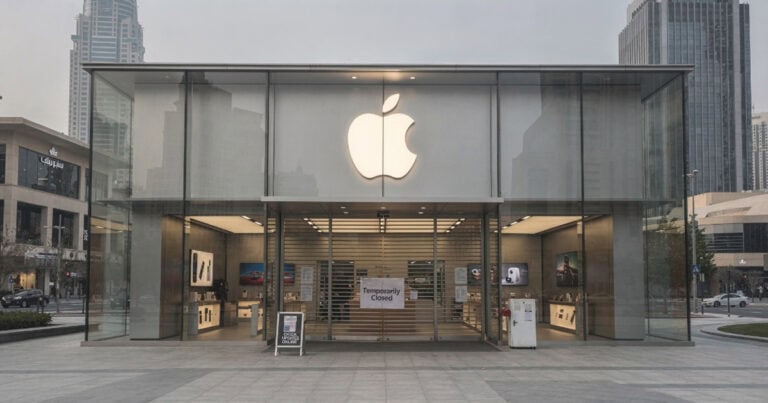

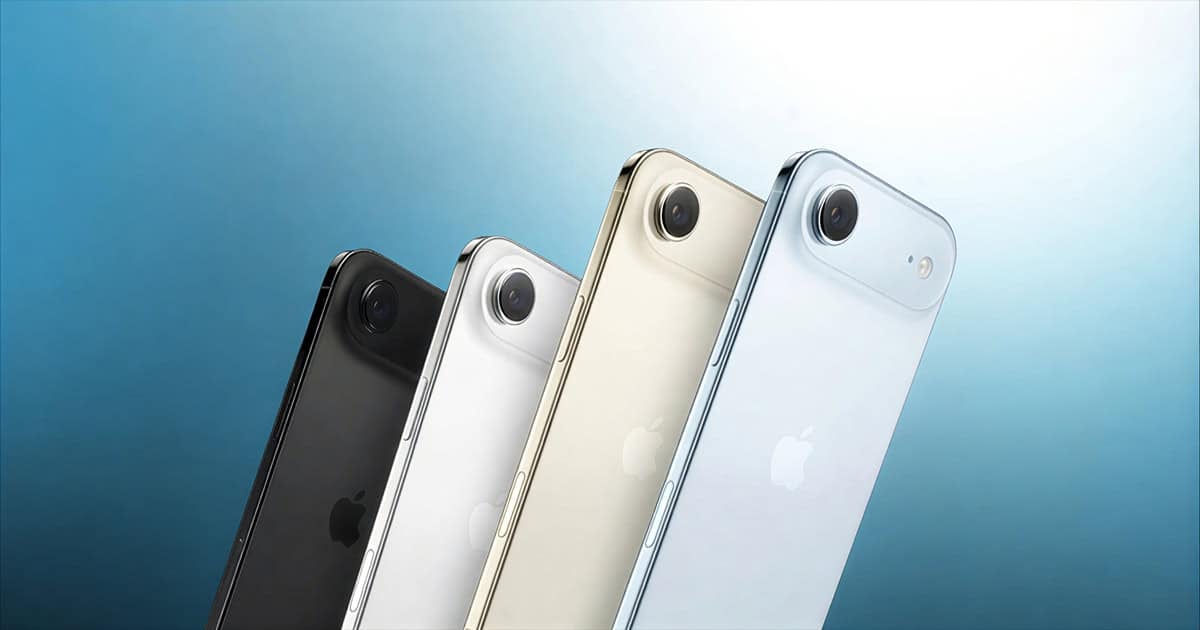
After the original iPhone Air reportedly struggled to gain traction with consumers, conflicting reports have emerged about the future of Apple’s ultra-slim smartphone line. While some sources claim a second-generation model has been delayed indefinitely, other leakers insist that an iPhone Air 2 will arrive later this year, albeit with minimal changes.
The Original iPhone Air’s Market Performance
Despite Apple’s marketing push for its thinnest iPhone ever, early signs suggested the device didn’t resonate with buyers as strongly as the company anticipated. Unlike typical iPhone launches where delivery times quickly extend due to high demand, the iPhone Air remained available for immediate delivery or in-store pickup throughout its launch period. This availability pattern often signals weaker than expected consumer interest.
The situation reportedly became more concerning when Chinese smartphone manufacturers, who had been developing their own ultra-slim devices, canceled those plans after observing the iPhone Air’s reception. By October, industry reports indicated that Apple had significantly reduced manufacturing orders for the model to levels approaching end-of-production status.
Competing Reports About the iPhone Air 2
The timeline and specifications for a potential successor have been the subject of contradictory information from various industry sources. In November, reports emerged suggesting Apple was exploring a second-generation model that would address one of the original’s most criticized limitations by adding a second camera. This dual-camera configuration was initially expected to launch in 2026.
However, subsequent reports claimed the updated model had been pushed back to 2027. One leaker who accurately predicted the iPhone 16e naming has maintained that the iPhone Air 2 will launch this fall, though they now describe it as a minor refresh with routine upgrades rather than substantial specification changes.
The Processor Upgrade Theory
While a minor update to an apparently unsuccessful product might seem counterintuitive, there’s a plausible business rationale that could explain this approach. Industry analysts have suggested that the primary focus of any 2026 iPhone Air update would be transitioning to Apple’s new 2-nanometer processor rather than making structural or design changes.
The forthcoming A20 chip is expected to be built on an advanced manufacturing process that could deliver notable battery life improvements. Some supply chain reports have indicated this newer chip architecture may also be more cost-effective to produce. If accurate, this could justify Apple making a quiet processor swap without fanfare or significant marketing attention.
This approach would be consistent with Apple’s historical practice of making internal component updates to existing product lines without major announcements when the changes are primarily technical rather than user-facing.
What This Means for the Dual-Camera Model
If the reports of a minor 2026 update prove accurate, consumers hoping for an iPhone Air with two cameras will likely need to wait until 2027 at the earliest. The single camera configuration has been identified as a significant limitation for potential buyers who value photography capabilities, particularly given the premium pricing tier where the iPhone Air competes.
Adding a second camera would require more substantial engineering work to maintain the device’s ultra-slim profile while accommodating the additional hardware. This type of redesign typically requires more development time and would likely be positioned as a more significant product update worthy of marketing attention.
FAQ
Q: Why did the original iPhone Air reportedly underperform?
A: The device’s single camera configuration and premium pricing likely contributed to weaker than expected sales. Many consumers appear to prioritize camera capabilities over the ultra-slim form factor, especially at higher price points.
Q: Will the iPhone Air 2 have two cameras?
A: Based on current reports, a 2026 model would likely retain the single camera design. A dual-camera version appears more probable for 2027, though Apple has not confirmed any plans.
Q: What improvements might a 2026 iPhone Air update include?
A: The most likely change would be an internal processor upgrade to Apple’s new 2-nanometer chip, which could improve battery life and potentially reduce manufacturing costs. Significant design or feature changes appear unlikely for this year.
First and Geek Verdict
The conflicting reports about the iPhone Air’s future highlight the uncertainty surrounding this product line. While a minor processor update in 2026 has some business logic behind it, particularly if the new chip offers cost savings, Apple would be wise to address the camera limitation before investing heavily in marketing a second-generation model. For consumers considering an ultra-slim iPhone, waiting to see what materializes later this year makes sense, but tempering expectations for dramatic improvements is probably prudent. The reality is that a truly compelling iPhone Air successor with dual cameras and other meaningful upgrades likely remains at least 18 months away, assuming Apple decides to continue the product line at all.