

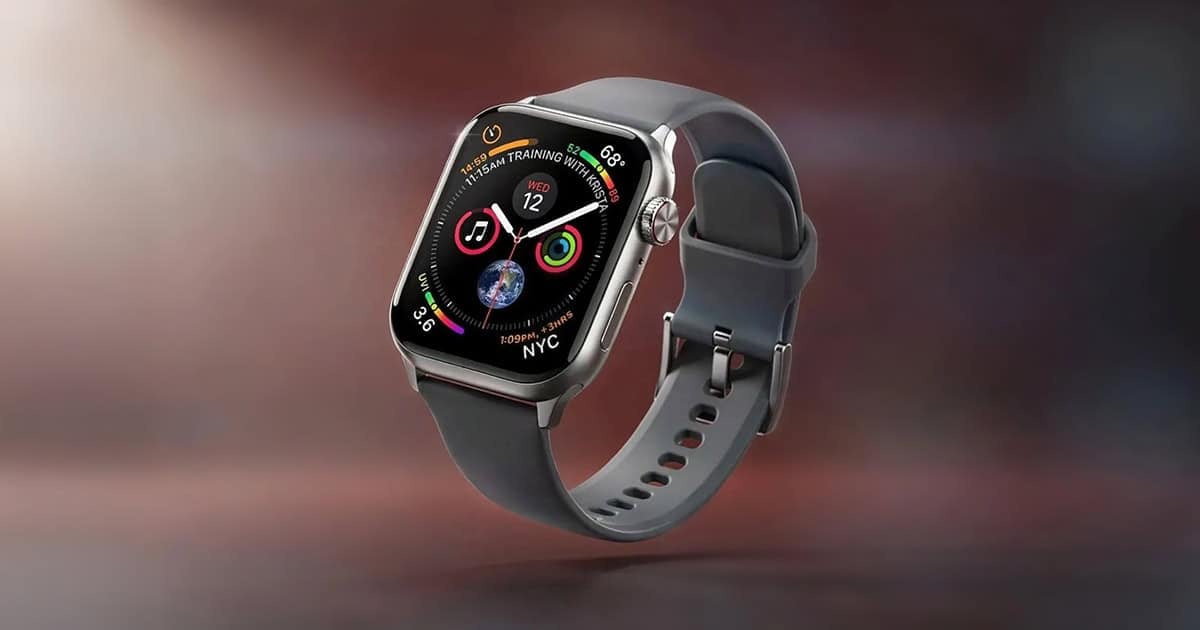
A newly published peer-reviewed study from Amsterdam UMC provides compelling evidence that the Apple Watch is remarkably effective at detecting atrial fibrillation (AFib), particularly in people who show no symptoms. The research demonstrates how continuous wearable monitoring can catch a potentially dangerous heart rhythm disorder that traditional screening methods often miss.
What the Study Measured
The six-month study tracked 437 participants, all aged 65 and older with elevated stroke risk factors. Researchers divided the group into two: 219 people received an Apple Watch to wear approximately 12 hours daily, while 218 received standard medical care without continuous monitoring.
The results showed a significant difference in detection rates. In the Apple Watch group, 21 people were diagnosed with atrial fibrillation during the study period. What makes this particularly noteworthy is that 57% of those diagnosed had no symptoms whatsoever. They had no reason to suspect anything was wrong and likely wouldn’t have sought medical attention on their own.
By comparison, only 5 people in the standard-care group were diagnosed with AFib during the same timeframe, and all of them experienced noticeable symptoms that prompted them to see a doctor.
Why Continuous Monitoring Matters
Atrial fibrillation isn’t always constant. The condition can be intermittent, appearing and disappearing unpredictably. This makes it easy to miss during brief medical checkups or even during scheduled ECG tests. When you only monitor heart rhythm for a few minutes at a time, there’s a good chance you’ll capture a normal rhythm even if AFib occurs regularly throughout the day or night.
The Apple Watch’s approach is fundamentally different. By checking heart rhythm periodically throughout the day and night, the device creates many opportunities to catch irregular patterns. This passive, ongoing monitoring doesn’t require the wearer to do anything special beyond wearing the watch normally.
According to Dr. Michiel Winter, a cardiologist at Amsterdam UMC who worked on the study, this capability helps doctors diagnose people who have no idea they have an arrhythmia. That earlier detection can speed up treatment and potentially reduce stroke risk, which benefits both patients and healthcare systems by lowering long-term costs.
How Apple Watch AFib Detection Works
Apple first introduced AFib detection capabilities with the Apple Watch Series 4 in 2018. The feature relies on two complementary technologies: photoplethysmography (PPG) using the optical heart sensor on the back of the watch, and an electrocardiogram (ECG) function that users can activate when they want a more detailed reading.
The irregular rhythm notification feature runs in the background, periodically checking your heart rhythm using the optical sensor. If it detects a pattern consistent with AFib over multiple readings, it sends an alert. Users can then take an ECG reading using the Digital Crown, which provides a more detailed recording that can be shared with healthcare providers.
These features are available on Apple Watch Series 4 and later models. The technology has been cleared by regulatory agencies including the FDA in the United States and similar health authorities in other countries.
Real-World Impact Beyond the Numbers
Over the years since Apple Watch gained these capabilities, numerous individuals have shared stories about how irregular rhythm notifications prompted them to seek medical attention, leading to AFib diagnoses and treatment. Some credit the feature with potentially saving their lives by catching a condition that significantly increases stroke risk when left untreated.
What this study adds to those anecdotal accounts is rigorous scientific evidence. The research, published in JACC Journals, follows proper clinical trial methodology and provides quantifiable data about detection rates in a controlled setting with a meaningful sample size.
The fact that more than half of the AFib cases detected in the Apple Watch group were asymptomatic is particularly significant. These are people who felt fine and had no reason to schedule a doctor’s appointment. Without continuous monitoring, their condition might have gone undiagnosed for months or years.
What This Means for Wearable Health Technology
This study reinforces the potential role that consumer wearables can play in preventive healthcare, particularly for at-risk populations. For people over 65 with stroke risk factors, wearing a smartwatch with heart rhythm monitoring could function as an additional screening tool alongside traditional medical care.
It’s important to note that the Apple Watch isn’t a medical device in the traditional sense and shouldn’t replace regular checkups with healthcare providers. The irregular rhythm notification clearly states that it’s not intended to provide a diagnosis. Instead, it serves as an early warning system that can prompt users to seek professional medical evaluation.
For those considering an Apple Watch primarily for health monitoring features, this research suggests the technology delivers meaningful value beyond fitness tracking and convenience features. The ability to catch a serious condition early, especially when no symptoms are present, represents a genuine health benefit that goes beyond marketing claims.
FAQ
Q: Which Apple Watch models include AFib detection?
A: The irregular rhythm notification and ECG features are available on Apple Watch Series 4 and all later models, including the SE (2nd generation), Series 5 through Series 10, and both Ultra models.
Q: Does the Apple Watch diagnose atrial fibrillation?
A: No, the Apple Watch does not diagnose AFib. It can detect irregular heart rhythms that may indicate AFib and alert you to seek medical attention. Only a healthcare provider can provide an official diagnosis.
Q: How accurate is the Apple Watch at detecting AFib compared to medical devices?
A: Previous studies have shown the Apple Watch ECG has high sensitivity and specificity for detecting AFib when irregular rhythms are present. This new study demonstrates it catches significantly more cases than standard care in real-world conditions, primarily because it monitors continuously rather than at scheduled intervals.
Q: Do I need to do anything special to enable AFib detection on Apple Watch?
A: The irregular rhythm notification requires setup through the Health app on your iPhone. You’ll need to provide some basic health information and confirm you’re at least 22 years old. Once enabled, it works automatically in the background. The ECG app also requires one-time setup and can be used anytime by opening the app and following the on-screen instructions.
First and Geek Verdict
This Amsterdam UMC study provides solid scientific validation for what many Apple Watch users have experienced firsthand: the device’s heart monitoring features can catch serious conditions that might otherwise go undetected. Detecting four times as many AFib cases as standard care, with more than half occurring in people without symptoms, demonstrates genuine medical value beyond typical fitness tracker capabilities. For anyone in a higher-risk category, particularly those over 65, this research suggests an Apple Watch could be a worthwhile investment in long-term health. It won’t replace proper medical care, but it serves as an effective early warning system that works quietly in the background, potentially catching problems before they become emergencies. That’s technology serving a genuinely useful purpose in everyday life.