
Last Updated: February 2025 | Reading Time: 5 minutes | Author: First and Geek Editorial Team
Apple is reportedly developing several AI-powered wearable products, with a new AirPods Pro model expected to arrive first. While AI glasses and smart pendants may sound more exciting, starting with AirPods could be Apple’s smartest move yet.
What We Know About Apple’s AI Wearables
According to recent reports, Apple has three AI wearable products currently in development. The company is expected to launch these products on a staggered timeline, with AirPods leading the way this year, followed by smart glasses next year, and a camera-equipped pendant at a yet-to-be-determined date.
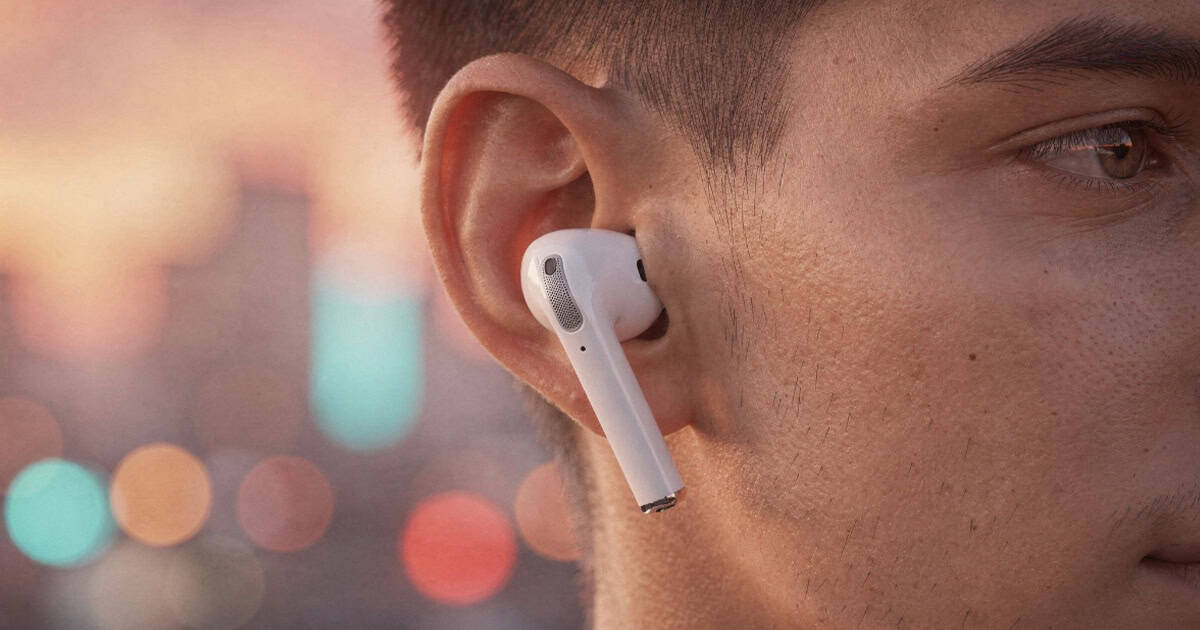
The upcoming AirPods Pro model is rumored to include one significant upgrade: built-in infrared cameras. These cameras would reportedly enable visual intelligence features, allowing the earbuds to understand and interact with the world around you in new ways. Think of capabilities similar to what Apple calls Visual Intelligence, where your device can identify objects, translate text in real time, or provide contextual information about your surroundings.
The Strategic Advantage of Starting With AirPods
The AI wearables market remains relatively young, with mixed results so far. Some products, like Meta’s AI-powered glasses, have found an audience among early adopters. Others, such as the Humane AI pin, struggled to gain traction. Even successful examples haven’t yet broken into mainstream adoption.
This is where AirPods have a distinct edge. Unlike entirely new product categories that need to prove their worth, AirPods are already a proven success. You see them everywhere, from coffee shops to gyms to office buildings. People are comfortable wearing wireless earbuds in social situations, and the product category needs no introduction.
Building on Existing Success
Apple doesn’t need to convince anyone that AirPods are useful. They already offer excellent audio quality, active noise cancellation, seamless device switching, and integration with the Apple ecosystem. Adding AI-powered cameras to a new premium model simply enhances an already compelling product rather than asking consumers to take a leap of faith on something entirely new.
This approach allows Apple to introduce AI companion features gradually. Users who purchase the camera-equipped AirPods will still get all the traditional benefits they expect, with AI capabilities serving as a bonus rather than the sole selling point. If the AI features resonate with users, great. If they need refinement, the product still delivers value through its core functionality.
Learning Before Launching Glasses
Perhaps the most strategic aspect of launching AI-powered AirPods first is what Apple stands to learn. Smart glasses represent a far more ambitious product category, one that requires overcoming social acceptance barriers, design challenges, and complex technical hurdles.
By introducing AI companion features through AirPods first, Apple can gather real-world data about how people actually use these capabilities in their daily lives. Which features do users find valuable? Which ones fall flat? How do people integrate AI assistance into their routines? The answers to these questions will likely inform and improve the development of Apple’s eventual smart glasses.
AirPods also sidestep one of the biggest challenges facing AI smart glasses: the social awkwardness factor. While wearing glasses with cameras can make others uncomfortable, AirPods with cameras point downward or outward in less obvious ways. People are already accustomed to others wearing earbuds in public spaces, so there’s less social friction to overcome.
The Form Factor Familiarity Factor
Another advantage lies in form factor familiarity. Apple has refined the AirPods design over multiple generations, and users trust the fit, comfort, and battery life they deliver. Introducing cameras into this proven form factor is far less risky than launching an entirely new wearable category.
Consider the challenges facing smart glasses: they need to look good, fit comfortably for extended wear, work for people who wear prescription glasses, offer sufficient battery life, and avoid looking too tech-forward or intimidating. AirPods face none of these barriers because they’ve already solved the core wearability challenges.
What This Means for Consumers
For those of us watching Apple’s AI strategy unfold, camera-equipped AirPods may not sound as exciting as futuristic smart glasses. But from a practical standpoint, they make tremendous sense as a first step.
If you’re already an AirPods user, a new model with AI capabilities could offer tangible benefits without requiring you to change your habits or wear something completely new. You’d continue using your earbuds as you always have, but with the option to leverage visual intelligence features when they prove useful.
The expected launch timeline also suggests Apple is taking a measured approach. Rather than rushing multiple AI wearables to market simultaneously, the company appears to be planning a deliberate rollout that allows each product to build on lessons learned from its predecessor.
FAQ
Q: When are the camera-equipped AirPods expected to launch?
A: Based on current reports, a new AirPods Pro model with built-in infrared cameras is expected to launch sometime in 2025, though Apple has not officially confirmed this timeline or the product itself.
Q: What kind of AI features would camera-equipped AirPods offer?
A: The cameras are reportedly designed to enable visual intelligence capabilities, which could include identifying objects, translating text in real time, providing contextual information about your surroundings, and serving as an AI companion that helps with daily tasks. Specific features have not been officially detailed.
Q: Will regular AirPods features still work the same way?
A: Yes, the camera-equipped model is expected to retain all standard AirPods functionality, including audio playback, active noise cancellation, transparency mode, and seamless device integration. The cameras would add new capabilities rather than replacing existing ones.
Q: How is this different from Apple’s planned smart glasses?
A: While both products are expected to offer AI companion features, smart glasses would be an entirely new product category requiring users to wear something on their face throughout the day. AirPods leverage an existing, widely accepted form factor that many people already use regularly, making them a lower-risk entry point for AI wearable technology.
First and Geek Verdict
Apple’s decision to reportedly launch camera-equipped AirPods before smart glasses demonstrates smart product strategy. Rather than asking consumers to embrace an entirely new category of wearable technology, the company is building AI features into a product people already love and trust. This approach minimizes risk, maximizes learning opportunities, and gives Apple valuable real-world data to refine its AI companion capabilities before launching more ambitious products like smart glasses. While it may not generate as much excitement as futuristic eyewear, starting with AirPods is the practical, measured approach that often defines Apple’s most successful product launches. For users, it means getting access to AI wearable features through a familiar form factor that already fits seamlessly into daily life.